top of page
User & Stakeholder Considerations
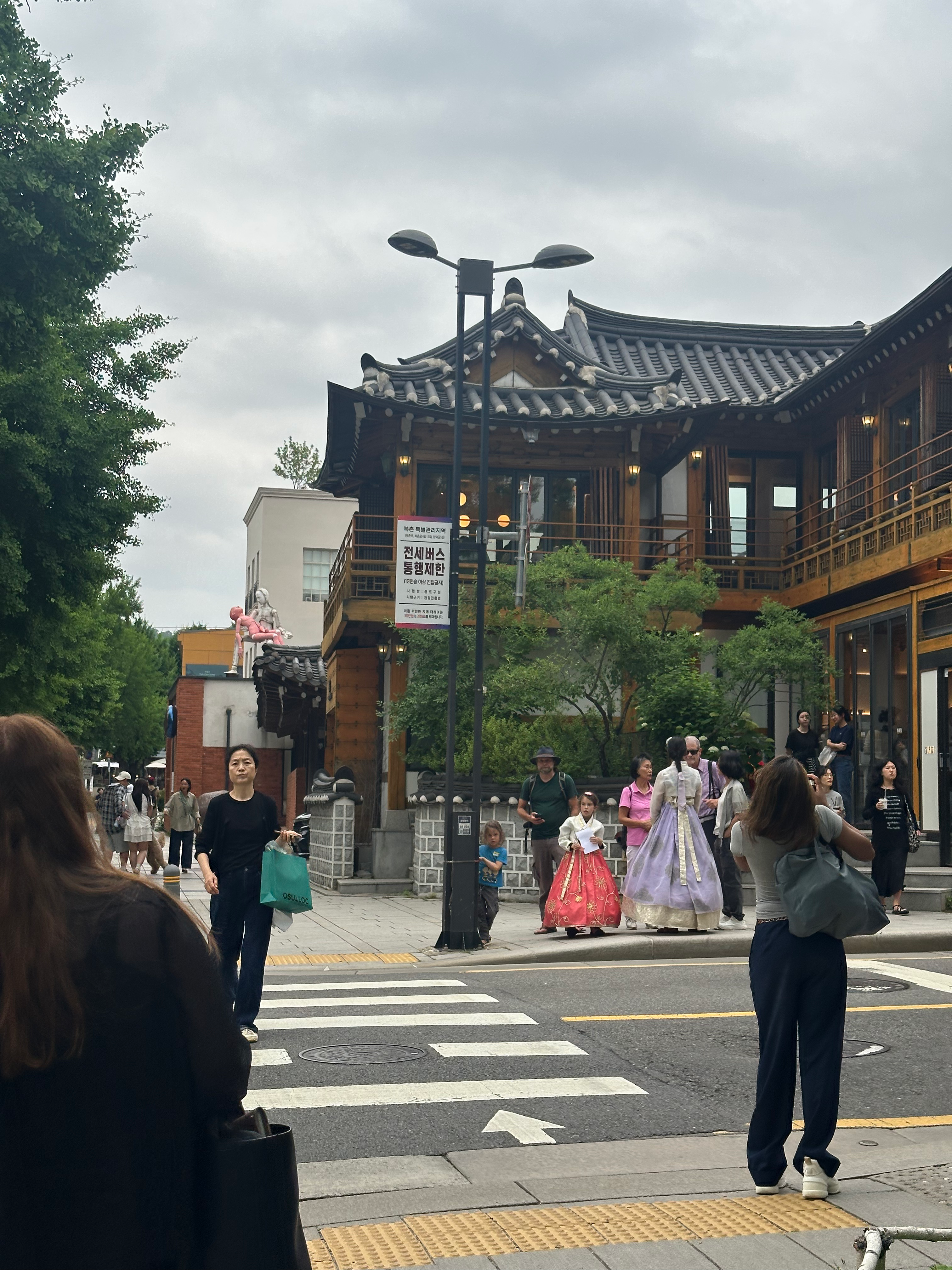
With a population of over 9.5 million people, Seoul has a wide range of people. Some users will be elderly, while some will be older adults, young adults, and teens. There will also be people with physical disabilities, such as color blindness, motor disorders, or blindness, using these kiosks. Because this is such a popular city, there will also be many foreigners who are either visiting for fun or who plan to stay for work or school.
These self-serve kiosks must be able to accommodate all kinds of people, and therefore should have features that the users can control. Some suggestions include language translation, font size changer, text-to-speech, larger buttons, and color adjustments.
It's also important to note the context in which people are using self-serve kiosks. Most likely, the customer wants to be able to order quickly, as is expected in pali pali culture. If the kiosk has too many redundant screens or other pop-ups, the process may take too long and cause frustration. Therefore, the kiosk should be as streamlined and simple as possible.
Date
May - June 2026
Location
Seoul, Korea

01
User & Stakeholder Considerations
01
There is a wide range of people in Korea, and technology must also accommodate them.

02
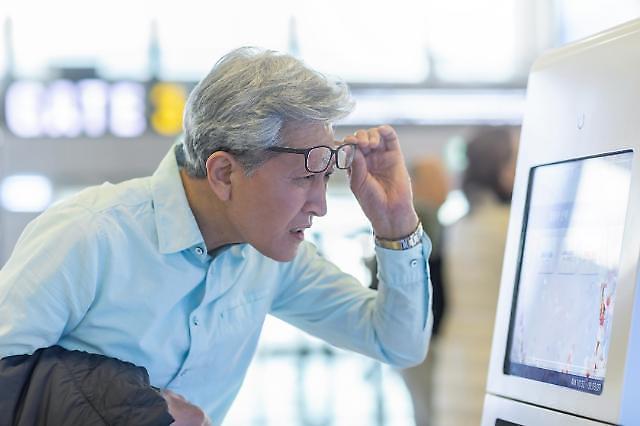
An elderly user may struggle to see text on a kiosk or lack the fine motor skills to press small buttons.

03
Diversity in Seoul
04
In this video, there are several redundant screens the user must navigate through before paying.
05
There are several pop-ups and redundant screens during the payment process.
bottom of page